
Guides
The Complete Guide to Medical Equipment: Quality, Safety, and Choosing the Right Supplier
Introduction
In today’s rapidly evolving healthcare landscape, having access to reliable medical equipment is essential for delivering quality patient care. From diagnostic devices to life-support systems, the right equipment can make a significant difference in treatment outcomes and operational efficiency.
Whether you’re establishing a new clinic, upgrading an existing facility, or looking for medical equipment for sale that meets international standards, this comprehensive guide will help you navigate the complexities of the healthcare equipment market with confidence.
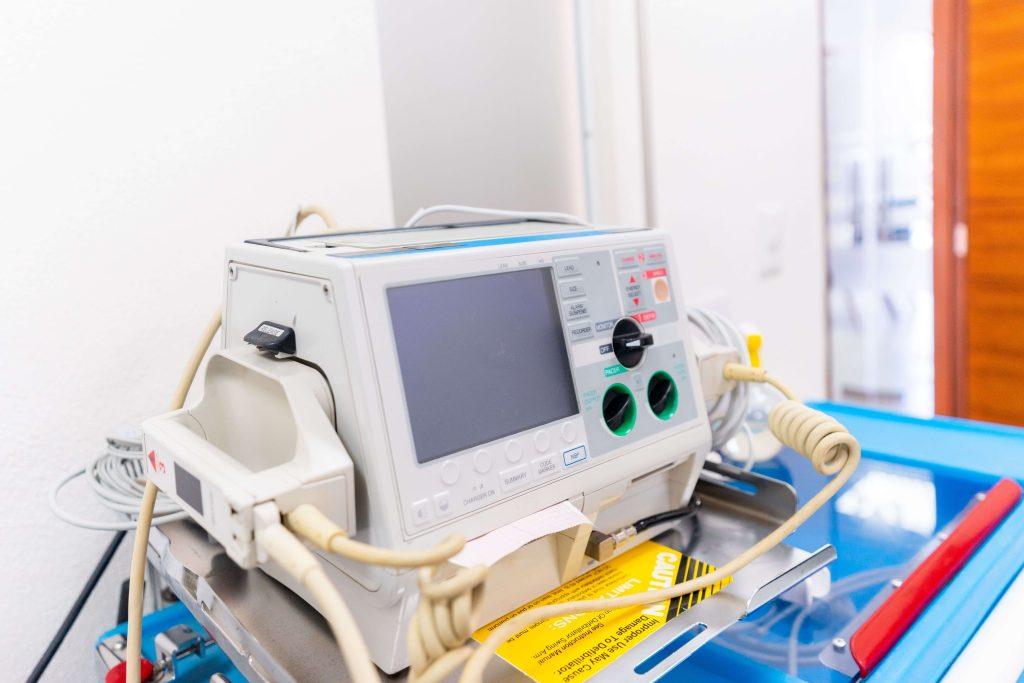
What Is Medical Equipment?
Medical equipment refers to instruments, machines, devices, and apparatuses used in healthcare settings to diagnose, monitor, treat, or manage medical conditions. These tools range from simple diagnostic instruments like thermometers to complex systems such as MRI machines and surgical robots.
Key categories include:
- Diagnostic Equipment: X-ray machines, ultrasound systems, CT scanners
- Patient Monitoring Devices: Vital sign monitors, ECG machines, pulse oximeters
- Life Support Systems: Ventilators, anesthesia machines, defibrillators
- Surgical Instruments: Surgical tools, electrosurgical units, laser systems
- Therapeutic Equipment: Infusion pumps, dialysis machines, radiation therapy systems
- Mobility & Assistance: Wheelchairs, hospital beds, prosthetics
Why Quality Medical Equipment Matters
Investing in high-quality medical equipment is not just about compliance—it’s about patient safety and operational excellence. Here’s why:
1. Patient Safety First
Faulty or outdated equipment can lead to inaccurate diagnoses, treatment delays, or even medical errors. Quality equipment ensures reliable performance and reduces the risk of complications.
2. Regulatory Compliance
Healthcare facilities must adhere to strict regulations from organizations like the FDA, ISO, CE, and local health authorities. Using certified medical equipment helps maintain compliance and avoid legal issues.
3. Operational Efficiency
Modern equipment often features automation, digital integration, and faster processing times, which improve workflow and reduce staff workload.
4. Cost Effectiveness
While premium equipment may have a higher upfront cost, it typically offers better durability, lower maintenance expenses, and longer lifespans—making it more cost-effective over time.
5. Competitive Advantage
State-of-the-art medical equipment positions your facility as a leader in healthcare innovation, attracting more patients and top-tier medical professionals.
Key Factors When Buying Medical Equipment for Sale
If you’re searching for medical equipment for sale, follow these critical guidelines to ensure you make the right investment:
1. Verify Certifications & Standards
- FDA-approved (U.S. Food and Drug Administration)
- CE-marked (European Conformity)
- ISO-certified (International Organization for Standardization)
- Local regulatory approvals (e.g., SA Health for South Africa)
2. Evaluate Supplier Reputation
Choose established suppliers with:
- Proven track record in the healthcare industry
- Positive customer reviews and testimonials
- Transparent pricing and clear warranties
- After-sales support and maintenance services
3. Assess Technical Specifications
Review:
- Power requirements and compatibility
- Size and portability
- Accuracy and precision metrics
- Integration capabilities with existing systems (HL7, DICOM)
4. Consider Total Cost of Ownership
Beyond the purchase price, factor in:
- Installation costs
- Training expenses
- Maintenance and calibration fees
- Spare parts availability
- Expected lifespan
5. Check Warranty & Support
Look for:
- Comprehensive warranty coverage (minimum 1–2 years)
- Accessible customer support
- On-site service options
- Training programs for staff
6. Prioritize User-Friendliness
Equipment should be:
- Easy to operate for healthcare professionals
- Intuitive interface design
- Minimal training requirements
- Ergonomic for patient and staff comfort
Types of Medical Equipment Most Facilities Need
Every healthcare setting has unique requirements, but these medical equipment categories are essential for most facilities:
| Facility Type | Essential Equipment |
| General Clinic | Blood pressure monitors, thermometers, stethoscopes, diagnostic scales, pulse oximeters |
| Hospital | Ventilators, MRI/CT scanners, patient monitors, surgical instruments, anesthesia machines |
| Emergency Room | Defibrillators, trauma carts, portable ventilators, emergency monitors |
| Laboratory | Centrifuges, microscopes, analyzers, pipettes, refrigerators |
| Dental Office | Dental chairs, X-ray machines, ultrasonic cleaners, sterilizers |
| Home Healthcare | Portable oxygen concentrators, wheelchairs, home hospital beds, blood glucose monitors |
New vs. Used Medical Equipment: What Should You Choose?
When searching for medical equipment for sale, you’ll encounter both new and used options. Here’s how to decide:
New Medical Equipment
| Pros | Cons |
| Latest technology and features | Higher upfront cost |
| Full warranty coverage | Longer delivery times |
| No prior wear or damage | May require more training |
| Updated regulatory compliance |
Used/Refurbished Medical Equipment
| Pros | Cons |
| Lower cost (30–60% less) | Limited or no warranty |
| Immediate availability | Potential maintenance issues |
| Proven reliability | May lack latest features |
| Certified refurbished options available | Shorter lifespan |
Recommendation: For critical life-support equipment (ventilators, anesthesia machines), invest in new equipment. For diagnostic tools or non-urgent devices, certified refurbished options can be a smart choice.
How to Find Trusted Medical Equipment Suppliers
Finding reliable suppliers for medical equipment for sale requires careful research:
1. Start with Industry Directories
- Medical Equipment Manufacturers Association (MEMA)
- Local healthcare supply associations
- Government-registered vendor lists
2. Check Online Platforms
- Alibaba, MedWish, DOT Health for international options
- Local classifieds and B2B platforms (for South Africa: Junk Mail, OLX)
- Professional healthcare equipment marketplaces
3. Request References
Ask suppliers for:
- Client testimonials
- Case studies
- Contact information for existing customers
4. Visit Trade Shows
Attend healthcare exhibitions to see equipment firsthand and meet manufacturers directly.
5. Verify Credentials
Confirm business registration, certifications, and insurance coverage before signing contracts.
Medical Equipment Maintenance & Calibration
Proper maintenance ensures your medical equipment performs optimally throughout its lifespan:
Maintenance Best Practices:
- Follow manufacturer-recommended schedules
- Keep detailed maintenance logs
- Train staff on proper handling procedures
- Store equipment in appropriate conditions
- Use certified technicians for repairs
Calibration Requirements:
- Annual calibration for diagnostic devices
- Regular testing for life-support equipment
- Documentation for regulatory audits
- Immediate recalibration after repairs
Future Trends in Medical Equipment (2026–2027)
The healthcare equipment industry is evolving rapidly. Stay ahead with these emerging trends:
1. AI-Powered Diagnostics
Artificial intelligence is enhancing diagnostic accuracy in imaging, pathology, and patient monitoring systems.
2. Telemedicine Integration
Equipment now includes remote monitoring capabilities, enabling virtual consultations and continuous patient tracking.
3. Wearable Health Devices
Smart monitors and wearables are expanding home healthcare and preventive care options.
4. Sustainability
Eco-friendly materials, energy-efficient designs, and recyclable components are becoming standard.
5. Portable & Compact Designs
Smaller, battery-operated devices enable point-of-care testing and mobile healthcare services.
Conclusion
Choosing the right medical equipment is a critical decision that impacts patient care, operational efficiency, and your facility’s long-term success. Whether you’re investing in new technology or searching for medical equipment for sale, prioritize quality, certifications, supplier reputation, and after-sales support.
Remember: the best equipment isn’t always the most expensive—it’s the one that reliably meets your specific healthcare needs while complying with all regulatory standards.
Take Action Today: Audit your current equipment inventory, identify gaps, and connect with certified suppliers who can provide the solutions your facility needs.
